When we dropped from two incomes to one, I panicked.
Three kids still needed shoes, snacks, field trip money, and somehow that single paycheck had to cover it all.
The bills didn’t care that our situation changed. They showed up right on time like always.
I used to look at our bank account at the beginning of the month and feel okay, then by week three I’d start shifting money around and hoping nothing unexpected hit.
That cycle got old fast.
What finally helped wasn’t earning more overnight or cutting everything out of our lives. It was changing how I handle that one paycheck from the moment it lands.
I started breaking the month into smaller chunks, planning for the boring expenses first, and giving every dollar a clear purpose before it disappeared on random store runs and “quick” Amazon orders.
Now that same paycheck carries us through the full month without the constant end-of-month panic.
If you’re trying to make one income work for a whole family, I’ll show you exactly how I stretch ours so it lasts all month and I’m not lying awake doing math in the dark.
What Changed When We Went Down to One Income

When we went from two incomes to one, the biggest shift wasn’t just the number in our bank account, it was the margin for error disappearing almost overnight.
Before, if I overspent on groceries or forgot about a subscription renewal, it was annoying but manageable, and now those little slips actually matter.
I realized pretty quickly that I couldn’t treat money casually anymore because there wasn’t a second paycheck coming in to smooth things out.
Every decision started to carry more weight, from saying yes to an activity fee to grabbing takeout on a night I didn’t feel like cooking.
That sounds stressful, and at first it was, but it also forced me to get clearer about what really needed our money and what was just habit spending.
Once I accepted that things were different and stopped trying to manage one income like we still had two, that’s when the real progress started.
The First Thing I Do When the Paycheck Hits
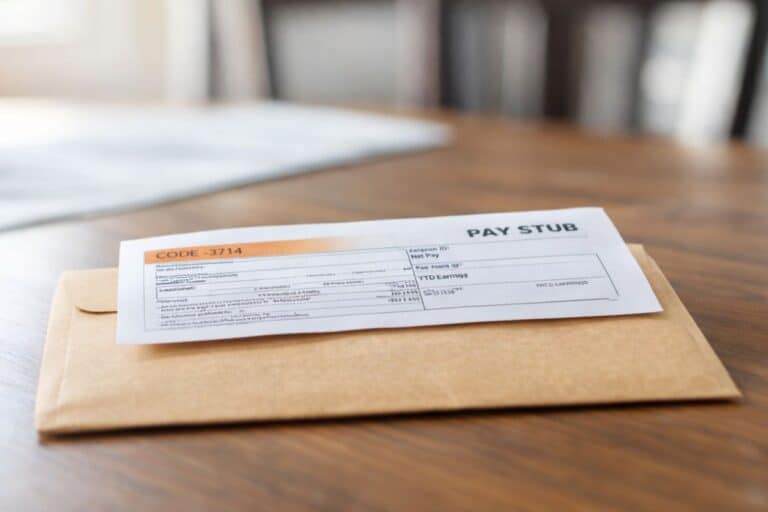
The moment that paycheck lands, I sit down that same day, open up our banking app, and map out exactly what needs to be covered before a single dollar gets casually spent.
If I wait even a couple of days, small purchases start sneaking in and suddenly the money isn’t as flexible as it looked at first glance.
Here’s the simple order I follow every single time:
- Rent or mortgage and utilities first, because keeping the lights on and a roof over us matters more than anything else.
- Groceries next, with a realistic number that covers actual meals instead of guessing low and scrambling later.
- Gas and transportation, so no one is stranded halfway through the month.
- Minimum debt payments, so nothing falls behind and creates bigger stress.
- A small amount into savings, even if it feels tiny, because future me will be grateful.
Once those priorities are handled on paper, I can look at what’s left and decide how to stretch it across the rest of the month without feeling like I’m guessing.
Breaking the Month Into Manageable Chunks
Trying to make one paycheck last an entire month used to feel overwhelming because thirty days is a long time when you’re watching every dollar.
What finally helped was stopping myself from thinking in full months and instead breaking everything into smaller, weekly pieces that felt more doable.
For example, if I have $800 left after bills, I don’t just hope it lasts, I divide it into four weekly buckets of $200 and treat each week like its own mini budget.
That means groceries for week one come from week one’s money, and if I underspend by $25, that either rolls into the next week or goes straight into our small buffer.
I do the same thing with spending categories like gas and household supplies.
So if week two is heavier because of a school event or birthday party, I can adjust week three instead of panicking.
Looking at money in chunks keeps me from blowing too much in the first ten days and then feeling stressed for the remaining three weeks, which used to happen more often than I’d like to admit.
Paying the Bills Without Letting Them Control the Whole Month
There was a time when I’d pay every single bill the second the paycheck hit and then stare at what was left feeling defeated before the month even really started.
It made it feel like we were working just to hand everything over immediately, and that mindset drained me more than the actual numbers did.
Now I still prioritize our main obligations first, but I separate what’s truly due right away from what can wait until later in the month so I’m not emptying the account on day one.
I schedule payments according to their actual due dates and keep a simple running list so I know what’s coming without obsessively checking the calendar.
That shift helped me stop seeing bills as this giant wave that crashes all at once and start seeing them as steady responsibilities I can handle piece by piece.
When the bills stop feeling like they control the entire month, it’s easier to breathe and focus on managing what’s left instead of feeling like the paycheck disappeared in a single afternoon.
How I Plan Groceries So We Don’t Blow Week One

Groceries are where things can fall apart fast because food is constant and everyone always seems hungry at the same time.
If I don’t have a plan before week one starts, it’s way too easy to toss extras into the cart and watch half the month’s food money disappear in a single trip.
I stopped shopping based on cravings or random sale signs and started walking in with a very clear structure for what we actually need.
Before I even open the grocery app or step into the store, I decide:
- What dinners we’re eating that week based on what’s already in the fridge or freezer.
- What simple breakfasts and lunches will repeat so I’m not reinventing the wheel daily.
- One or two snack options that stretch instead of a bunch of small convenience packs.
- A firm total I’m not going over, even if something looks tempting.
Planning this way keeps week one steady instead of chaotic, and it protects the rest of the month from that sinking feeling of realizing we’ve already burned through half the food budget.
Stretching Food Without Cooking All Day

Feeding a family on one income doesn’t mean I suddenly have the time or energy to cook from scratch three times a day.
Especially when the kitchen already feels like it’s in constant use!
What I’ve learned is that stretching food is less about complicated recipes and more about choosing meals that naturally go further without doubling my workload.
I lean hard on dinners that create leftovers on purpose, because tomorrow’s lunch coming from tonight’s effort saves both money and sanity.
Here are some of the meals I rotate when I need food to stretch without living at the stove:
- Big batches of chili or soup that can be eaten for dinner and then again for lunches.
- Sheet pan chicken with roasted vegetables that can turn into wraps or rice bowls the next day.
- Pasta with a simple meat sauce bulked up with lentils or finely chopped veggies.
- Taco meat that becomes tacos one night and loaded nachos or burrito bowls the next.
- Breakfast-for-dinner nights with eggs, toast, and fruit when the budget needs breathing room.
- Slow cooker pulled chicken that works in sandwiches, quesadillas, or salads.
- Rice-based dishes that stretch smaller amounts of protein further.
- Homemade muffins or baked oatmeal that cover multiple breakfasts without daily prep.
Cooking this way means I’m not constantly scrambling for the next meal, and the grocery budget lasts longer without me feeling like I’ve taken on a second job in the kitchen.
Managing School Costs, Activities, and “Mom, I Need This Tomorrow”

School expenses have a way of popping up out of nowhere, and on one income there isn’t a lot of room for surprise fees or last-minute requests.
I keep a small cushion in our monthly plan specifically for new school supplies, fundraisers, and field trips so they don’t throw off the entire budget.
When something bigger comes up, I look at the rest of the month and shift things around instead of automatically swiping and hoping it works out later.
Staying a step ahead of those “I forgot to tell you” moments helps me respond calmly instead of feeling like every school email is about to wreck our finances.
Handling Gas, Subscriptions, and the Sneaky Expenses
Gas, auto-renewals, and those small monthly charges are the ones that quietly chip away at a paycheck if I’m not paying attention.
I track them all in one place so I know exactly what’s coming out and when, instead of being surprised by a streaming service or app I forgot we signed up for.
If something isn’t getting used regularly, I cancel it without overthinking it, because small amounts add up fast over four weeks.
Keeping these sneaky expenses in check makes the rest of the budget feel steadier and stops that slow leak that can make the month tighter than it needs to be.
Building a Small Buffer So One Surprise Doesn’t Wreck Everything

Living on one income means surprises aren’t rare, they’re guaranteed, and without a little padding the smallest thing can throw the whole month off track.
I used to think saving had to be dramatic to matter, but what actually helped was building a small cushion slowly and consistently.
Even a few hundred dollars sitting untouched changes how you respond when the car needs something or a school expense pops up.
Here are a few ways I’ve built and rebuilt that buffer over time:
- Skimming a small percentage off the top of every paycheck before planning the rest of the budget.
- Rolling over unused grocery or gas money at the end of the week instead of absorbing it into spending.
- Sending any tax refunds, rebates, or birthday cash straight into savings instead of treating it like bonus money.
- Selling unused items around the house and moving that cash directly into a separate account.
- Setting up automatic transfers of even $10 to $25 so saving happens without me having to think about it.
- Using cash-back rewards and putting them into savings instead of back into spending.
- Pausing a nonessential expense for a couple of months and redirecting that amount into the buffer.
- Doing a short no-spend stretch and banking what would have been spent on extras.
That small buffer doesn’t solve everything, but it keeps one unexpected expense from turning into a full-blown financial spiral.
What I Stopped Buying (That Honestly Didn’t Matter Anyway)

When we moved to one income, I had to get honest about what we were spending on out of habit instead of actual need.
Some of it felt normal at the time because we had always done it, but once I stepped back, I realized a lot of those purchases weren’t adding much to our daily life.
Cutting these things didn’t make us miserable, and in most cases no one even noticed they were gone.
Here are some of the things I stopped buying without regret:
- Multiple streaming services at the same time.
- Pre-packaged convenience snacks that cost more than basic versions.
- Brand-new seasonal decor every year.
- Daily drive-thru coffee or “quick” fast food stops.
- Trendy kitchen gadgets that only get used once or twice.
- Extra clothing purchases just because there was a sale.
- Random Target or Walmart impulse items that weren’t on a list.
- Upgraded phone plans we weren’t fully using.
Letting go of these extras freed up space in the budget without making life feel stripped down, which was a big mindset shift for me.
How I Deal With the End-of-Month Squeeze

Even with a plan, the last week of the month can feel tighter, and I’ve learned not to panic just because the numbers are lower than they were on day one.
Instead of spiraling, I look at what’s already covered and remind myself that most of the heavy lifting has been done earlier in the month.
If things feel especially snug, I shift into a lighter spending mode for a few days by cooking from what’s already in the freezer and putting off anything that isn’t urgent.
I also check in on what’s coming next month so I’m not reacting emotionally but adjusting calmly based on what I actually see.
The end-of-month squeeze used to feel like proof we were failing, and now it just feels like the natural rhythm of living on one paycheck and staying aware of where it’s going.
The Mindset Shift That Helped Me Stop Panicking Over Every Dollar

For a long time, I treated every expense like it was a personal failure, and that constant pressure made money feel heavier than it needed to be.
Living on one income forced me to accept that the goal isn’t perfection, it’s stability and forward movement over time.
I stopped obsessing over every single dollar leaving the account and started focusing on whether the big priorities were covered and the plan was working overall.
That shift helped me respond to small setbacks with adjustment instead of guilt, which changed the tone of our finances completely.
When I stopped seeing money as something that was always slipping through my fingers and started seeing it as something I could manage week by week, the panic finally quieted down.
Putting It All Together

I know that’s a lot to take in, especially when you’re already juggling kids, work, and everything else that fills your day.
When you’re trying to stretch one paycheck, it can feel like you need to fix everything at once, but it really comes down to a few steady habits done consistently.
So instead of overcomplicating it, here’s what this looks like in real life when you strip it down:
- Cover your main bills first and plan around actual due dates instead of reacting.
- Break the month into weekly chunks so you’re not guessing where the money went.
- Set a clear grocery plan before week one starts to protect the food budget.
- Keep an eye on gas, subscriptions, and small charges that quietly add up.
- Build even a tiny buffer so one surprise doesn’t undo the whole month.
- Cut expenses that don’t truly add value to your daily life.
- Adjust calmly during the last week instead of panicking.
When you focus on these core pieces, one paycheck stops feeling impossible and starts feeling manageable, even with a full household depending on it.
How We Make It Work Month After Month
Making one paycheck last isn’t about being perfect, and it’s definitely not about never spending money on anything fun again.
It’s about knowing what matters most, planning ahead instead of reacting, and staying aware of where things are going before they get out of hand.
For my family, it works because we stick to the basics, adjust when we need to, and remember that one income can absolutely support a full household when it’s handled with a clear plan.
And you can do it too!