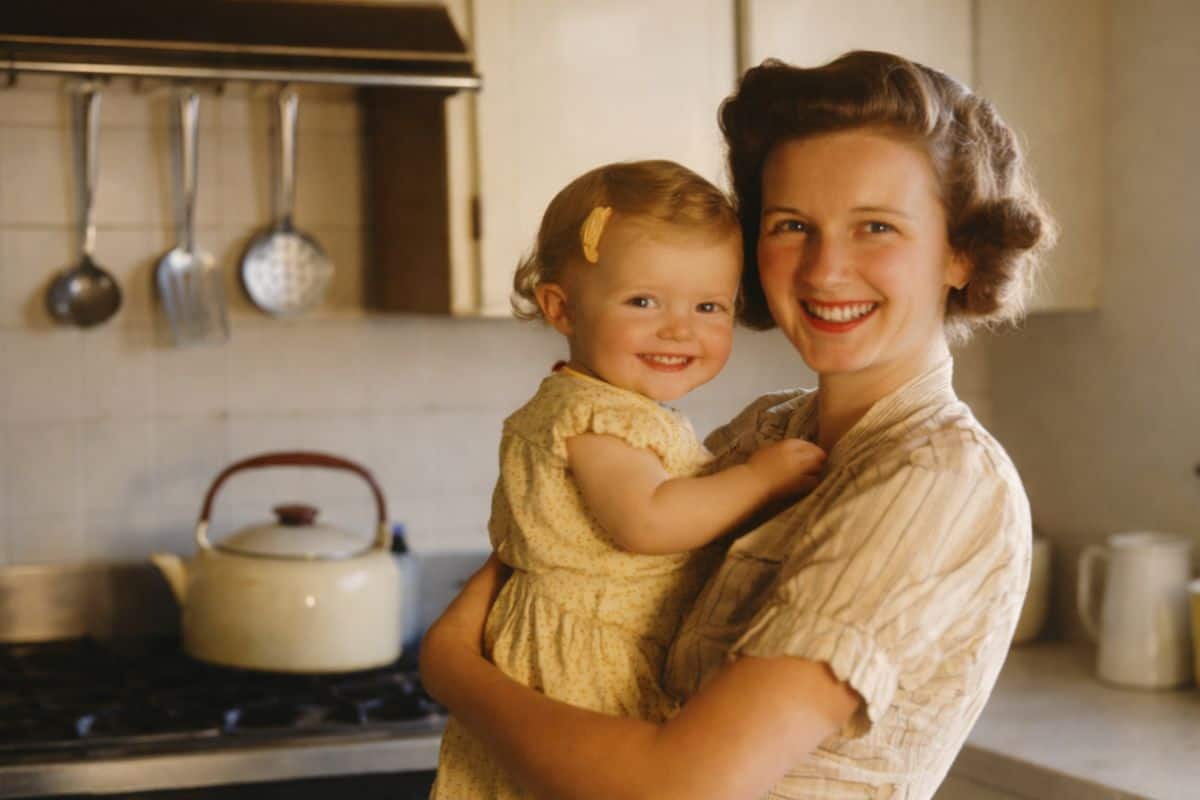
Depression-era money habits get talked about like they’re old-fashioned or extreme, but honestly?

A lot of them just make sense right now!
When prices keep creeping up and your paycheck doesn’t seem to stretch as far as it used to, you start looking at your grocery cart and thinking, there has to be a smarter way to do this.
I’ve had seasons where every dollar was already spoken for before it even hit my account, and that’s when the “use it up, make it last, do without” mindset started sounding less dramatic and more practical.
The truth is, our grandparents weren’t being cheap. They were being resourceful.
They knew how to stretch meals, fix things instead of replacing them, and make what they had work a little longer.
And no, this isn’t about washing tin foil or living off beans and regret.
It’s about bringing back a few simple habits that lower your bills, reduce waste, and make your money go further without feeling deprived.
If you’re trying to tighten things up without making your life miserable, these are the old-school money habits worth dusting off.
Money
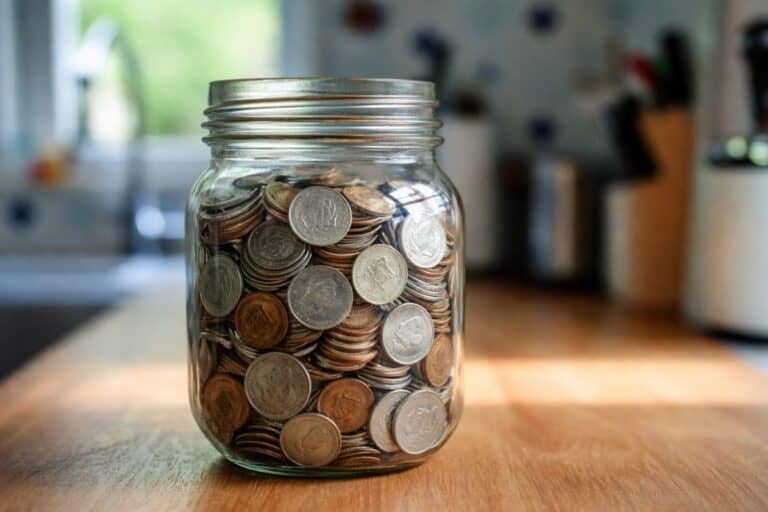
Back then, money wasn’t something you casually swiped and figured out later.
It was counted, stretched, and respected because there wasn’t room for mistakes.
But remember that bringing that mindset back doesn’t mean living in fear!
It just means being intentional instead of hoping it all works out.
1. Pay Cash for Everyday Purchases
There’s something different about handing over actual cash.
You feel it leave your hands.
When it’s gone, it’s gone, and that tiny pause before spending can stop a lot of impulse buys.
I’m not saying you have to go full envelope system overnight, but even using cash for groceries or fun money can make you way more aware of where things are slipping.
2. Use a Zero-Based Budget
This sounds intense, but it’s really just giving every dollar a job before the month starts.
Not “we’ll see what’s left,” but “this is where it’s going.”
When you’re trying to stretch a tight income, floating money is dangerous money.
Once I started assigning everything, even the random $40 for kid stuff, I stopped wondering where it disappeared to!
3. Build a Small Emergency Fund First
Before you try to tackle everything at once, get a little cushion in place.
I’m talking small. $500. $1,000.
Something that keeps a flat tire or broken appliance from going straight onto a credit card.
It’s hard to pay off debt while broke if every surprise knocks you backwards, so this gives you a tiny bit of stability.
4. Buy Used Before Buying New
This one saves more than people think!
Furniture, kids’ clothes, sports gear, even small appliances, you can usually find it secondhand for a fraction of the price.
And honestly? Half the time it’s barely used because someone else upgraded too fast.
Checking Marketplace or thrift stores first just becomes a habit, and your bank account will thank you.
5. Repair Instead of Replace
Our grandparents didn’t toss things because a seam popped or a chair wobbled.
They fixed it.
We’ve gotten so used to convenience that replacing feels easier, but repairs are almost always cheaper.A
$10 part and a YouTube video can stretch the life of something for years.
6. Keep a Weekly Spending Ledger
I know this sounds old-school, but writing down what you spend, even just once a week, changes things.
It’s easy to think you “don’t spend that much” until you actually see the coffee runs, quick drive-thrus, and random Amazon clicks staring back at you.
Depression-era families tracked money because they had to know exactly where it went.
You don’t need a fancy spreadsheet, just a notebook!
The point isn’t perfection, it’s awareness.
7. Avoid Consumer Debt
Back then, if you didn’t have the money, you didn’t buy it.
That’s it!
No 0% financing tricks, no stacking credit cards and hoping for a bonus check later.
And if you’re trying to pay off debt while broke, you already know how heavy that cycle feels.
Avoiding new consumer debt while you’re climbing out is one of the fastest ways to finally feel like you’re gaining ground instead of treading water.
8. Rotate a “No-Spend” Week Each Month
This doesn’t mean sitting in the dark eating plain rice.
It just means picking one week where you buy nothing extra.
No takeout, no Target strolls, no random “it was on sale” purchases.
Depression-era households naturally lived like this because there wasn’t wiggle room.
Doing it on purpose now resets your habits and usually shows you how much you were spending out of boredom more than need.
9. Save Windfalls Instead of Upgrading Lifestyle
Tax refunds, bonuses, birthday money, those little unexpected bumps feel like permission to upgrade something.
New phone, bigger subscription, nicer shoes.
But Depression-era thinking would tuck that money away because the next hard season always seemed to be around the corner.
If you can train yourself to save most of a windfall instead of inflating your lifestyle, your future self will breathe easier.
10. Barter Skills or Services
Not everything has to be a cash transaction.
People used to trade eggs for repairs, sewing for produce, childcare for help fixing a fence.
You might not have chickens in the backyard, but you probably have a skill someone else needs.
Babysitting, cutting hair, graphic design, tutoring, even swapping meal prep with a friend.
It feels different when you remember money isn’t the only form of value you bring to the table.
Food

Depression-era kitchens were built on what people now call “poverty food,” simple, filling meals made from whatever was on hand.
It wasn’t trendy, and it wasn’t fancy, but it kept families fed without wasting a thing.
There’s something grounding about going back to basics and realizing you don’t need a $150 grocery haul to make dinner happen!
11. Plan Meals Around What You Already Have
Before you even think about writing a grocery list, open the fridge, then the freezer, then the pantry.
Depression-era cooks didn’t start with a Pinterest recipe, they started with what was sitting on the shelf and built from there.
When you plan meals around what you already have instead of what sounds good in the moment, your grocery bill drops fast and food stops going bad in the back of the crisper.
12. Cook from Scratch
Convenience food is easy, but it adds up a lot.
Back then, if you wanted biscuits, you made them.
If you wanted soup, you started chopping.
Cooking from scratch doesn’t mean homesteading from sunrise to sunset, it just means choosing the cheaper base ingredients more often and saving the packaged stuff for when you truly need it.
13. Preserve Seasonal Produce
There was a reason people canned, dried, and froze everything they could get their hands on.
Produce was cheap in season and expensive later, so they planned ahead.
You don’t have to turn your kitchen into a full canning station, but freezing berries, blanching veggies, or making a big batch of sauce when tomatoes are on sale stretches those savings into the colder months.
It’s a little extra effort now for a lot less spending later.
14. Stretch Meat with Beans or Grains
There was a time when meat wasn’t the star of the plate, it was more like a supporting character.
A pound of ground beef would get mixed into a big pot of beans, rice, or pasta so it fed twice as many people without anyone leaving the table hungry.
That mindset still works today, especially when grocery prices make you wince at the meat aisle.
Adding lentils to taco meat or bulking up chili with beans doesn’t feel like a sacrifice, it just feels smart.
15. Save and Repurpose Leftovers
Leftovers used to be part of the plan, not an afterthought that sat in the fridge until it went bad.
Sunday’s roast turned into Monday’s sandwiches and Tuesday’s soup, and nobody thought twice about it.
When you start seeing leftovers as ingredients for the next meal instead of boring repeats, it gets easier to waste less and spend less at the same time.
It’s less about eating the same thing again and more about giving it a second life.
16. Grow a Small Garden
You don’t need acres of land or a picture-perfect backyard to make this work.
Even a few pots on a deck with tomatoes, herbs, or lettuce can trim your grocery bill more than you’d expect!
During the Depression, families planted what they could because fresh food wasn’t something you took for granted.
There’s something steady about walking outside and cutting what you’re about to cook, especially when you know it cost you a packet of seeds instead of five dollars at the store.
17. Bake Your Own Bread
Bread used to be something you made, not something you grabbed between errands. Flour, yeast, water, salt. That’s it.
When you bake it yourself, you realize how inexpensive the basics really are compared to the specialty loaves that somehow end up in your cart.
It takes a little planning, but the rhythm of mixing and waiting and pulling a warm loaf from the oven feels less like work and more like reclaiming a simple skill.
18. Use the Whole Ingredient
Nothing got wasted if it could be helped.
Vegetable peels went into broth. Stale ends of bread turned into crumbs. Bones were simmered down instead of tossed.
Start looking at your groceries with that lens and you’ll notice how much value is still sitting there after dinner.
Using the whole ingredient stretches your money quietly, without adding anything new to your cart.
19. Batch Cook and Freeze
Cooking one meal takes effort, so you might as well get two or three out of it.
Depression-era kitchens were built around big pots and practical thinking, because turning on the stove cost time and fuel.
Making double batches of soup, chili, or casseroles and freezing half gives you future dinners without future spending.
It also saves you from those nights when takeout feels like the only option because you’re tired.
20. Make Broth from Scraps
This one feels almost symbolic of the whole mindset. Instead of throwing away onion skins, carrot tops, or chicken bones, you simmer them into something useful.
It costs almost nothing and replaces cartons you’d otherwise buy.
More than that, it shifts how you see your kitchen, not as a place where things get used once and discarded, but as a place where even scraps still have value.
Home
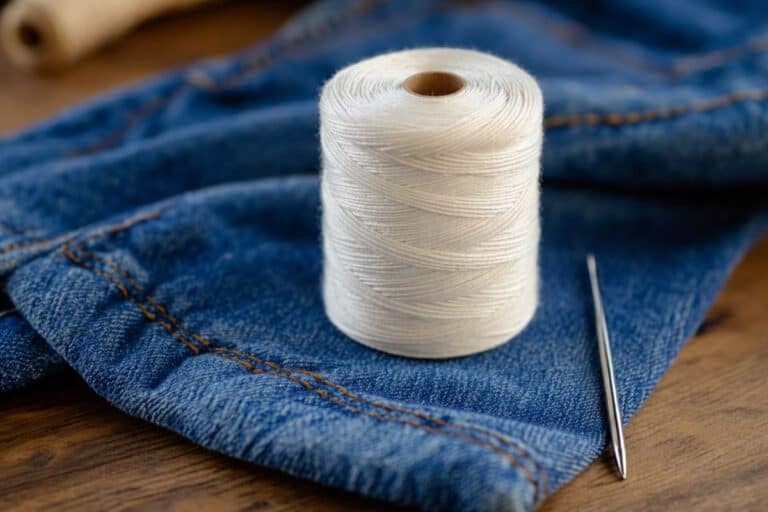
Nothing in the house got tossed if it could be patched, glued, stitched, or repurposed.
Furniture was repaired, clothes were mended, and jars were reused until they practically gave up.
That mindset shifts your home from a place of constant upgrades to a place of making what you have work a little longer.
21. Mend Clothes Instead of Tossing Them
There was a time when a small tear didn’t mean a trip to the store.
It meant a needle, some thread, and ten quiet minutes at the table.
Depression-era families wore things until they truly wore out, not just until they looked a little tired.
Sewing on a button or fixing a seam isn’t glamorous, but it keeps money in your pocket and stretches what you already paid for.
22. Air-Dry Laundry
Dryers are convenient, but they’re also one of the bigger energy pulls in a house.
Hanging clothes outside or on a rack inside cuts that cost and helps everything last longer, too.
Back then, laundry lines weren’t aesthetic, they were normal.
You don’t have to do every load this way, but even rotating a few each week can lower your utility bill without feeling like a big sacrifice.
23. Sew or Patch Household Textiles
Pillow covers, curtains, couch cushions, these things don’t have to be replaced the second they show wear.
A simple patch or reinforcement can give them another few years.
During harder seasons, households got creative instead of shopping for upgrades.
Fixing what you already own might not feel exciting, but it’s steady, practical, and surprisingly satisfying.
24. Refinish Furniture
Scratches and worn finishes used to be projects, not excuses to buy something new.
A little sanding and paint can completely change how a piece looks and feels in your home.
Depression-era thinking was about working with what you had instead of constantly upgrading.
When you refinish instead of replace, you save money and end up with something that actually feels personal.
25. Use Curtains for Insulation
Heavy curtains weren’t just for decoration, they were part of how people managed heat.
Closing them at night kept warmth in during winter, and drawing them during the hottest part of the day helped block summer sun.
It’s such a simple habit, but it can make a real difference in your energy use.
Sometimes the old solutions still work better than the expensive new ones.
26. Reuse Glass Jars for Storage
There’s a reason older kitchens always seemed to have shelves lined with jars.
They weren’t buying matching storage systems every year.
They were washing out what they already had and using it again.
Pasta sauce jars become pantry containers.
Mason jars hold leftovers, dry goods, even hardware in the garage.
It’s simple, but when you stop tossing perfectly good containers, you stop spending on things you don’t actually need.
27. Make Homemade Cleaning Supplies
You don’t need a different spray for every surface in your house.
Vinegar, baking soda, a little dish soap, that’s most of what our grandparents relied on.
During lean times, people cleaned with what they had, not what was marketed to them.
Mixing your own basic cleaners costs a fraction of store brands and keeps you from constantly restocking specialty bottles.
28. Heat and Cool Only Used Rooms
When money was tight, no one was heating empty rooms just because they existed.
Doors were closed, vents were adjusted, and families gathered in the same space instead of spreading out.
Being mindful about which areas you’re actively using can shave down energy bills in a way that doesn’t feel dramatic, just intentional.
29. Share Tools with Neighbors
Not every household needs its own ladder, power washer, or hedge trimmer.
In tougher times, people borrowed and lent without thinking twice.
It built community and saved everyone money.
If you can split the cost of something or trade usage back and forth, you reduce clutter and spending at the same time.
30. Repurpose Household Items Creatively
Before buying something new, it helps to ask, “Do I already own something that could work?”
An old dresser can become garage storage.
A chipped mug can hold pens and fabric scraps can turn into cleaning rags.
Depression-era homes were full of items on their second or third life, and that mindset shifts you from constantly consuming to simply reimagining what’s already around you.
Work
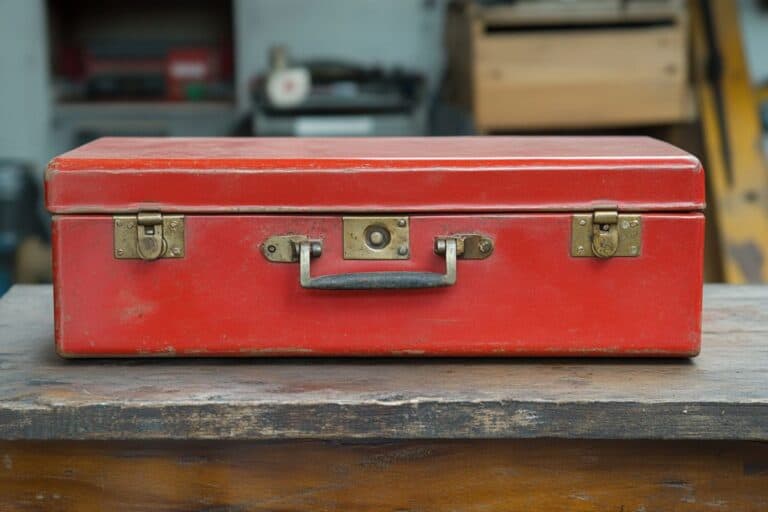
People didn’t just rely on one income stream if they could help it.
They picked up side jobs, bartered skills, grew food, or traded labor.
With today’s side hustle culture, this is still in practice today!
Just don’t think you have to grind until you’re exhausted…it’s just about committing a little bit more time to make sure your ends are meeting.
31. Learn Multiple Practical Skills
During the Depression, being good at just one thing wasn’t always enough.
People learned how to fix, build, sew, cook, grow, and repair because it made them more valuable and less dependent on paying someone else.
Expanding your practical skills now does the same thing.
The more you can handle on your own, the less money leaves your household, and the more options you create if work ever shifts unexpectedly.
32. Take on Side Gigs in Slow Seasons
Income used to ebb and flow with the seasons, and families adjusted instead of panicking.
If farm work slowed down, people found something else to fill the gap.
That mindset still works today!
Picking up freelance work, babysitting, tutoring, seasonal retail, or selling a skill online during slower months can smooth out financial dips and keep you from relying on credit when things get tight.
33. Save a Portion of Every Paycheck
Even when money was scarce, people tried to set aside something, no matter how small.
It was about building the habit of paying yourself first.
Saving a portion of every paycheck, even if it’s modest, creates consistency and stability over time.
The amount matters less than the rhythm of doing it regularly.
34. Live Below Your Means
This is one of those phrases that sounds obvious until you actually try to apply it.
Depression-era households didn’t build their lives around what they might earn later; they structured their spending around what they had right then.
Living below your means gives you breathing room instead of constant pressure.
It allows you to absorb unexpected costs without everything unraveling at once.
35. Keep a Simple, Reliable Wardrobe
Work clothes used to be practical, durable, and worn often without apology.
People invested in fewer pieces that lasted instead of constantly replacing trendy items.
Keeping a simple, reliable wardrobe reduces impulse purchases and saves time as well as money.
When you choose quality basics and take care of them, you avoid the steady drip of spending that comes from chasing something new every season.
36. Maintain Equipment Regularly
Tools, vehicles, appliances, anything that helps you earn or run your home, needs attention before it breaks.
During the Depression, replacing equipment wasn’t an option, so people oiled it, cleaned it, sharpened it, and fixed small issues early.
That habit still pays off!
Regular maintenance costs far less than emergency repairs, and it keeps your income from being interrupted by something preventable.
37. Network Within Your Community
Work opportunities used to travel by word of mouth long before online job boards existed.
People hired who they knew or who came recommended by someone they trusted.
Staying connected within your local community, whether that’s neighbors, church groups, school parents, or small business circles, opens doors you might not find on your own.
Relationships often turn into referrals, and referrals turn into income.
38. Start a Small Home-Based Business
When traditional work wasn’t steady, families created income from home.
Baking, sewing, repairing, growing produce, taking in laundry, they found ways to monetize what they already knew how to do.
Starting small keeps the risk low and the flexibility high.
A modest side business built around your existing skills can grow over time without demanding a huge upfront investment.
39. Trade Labor for Goods or Discounts
Cash wasn’t always available, so labor became currency.
Someone might fix a fence in exchange for food, or help with repairs in return for supplies.
That mindset still works when budgets are tight.
Offering your skills in exchange for a service or discount reduces out-of-pocket spending and keeps money circulating more slowly.
40. Track Income and Expenses Carefully
When every dollar mattered, people knew exactly what was coming in and what was going out.
There wasn’t room for guessing.
acking income and expenses carefully gives you that same clarity today.
It shows you patterns, highlights leaks, and makes it easier to adjust before small issues become bigger financial problems.
Lifestyle
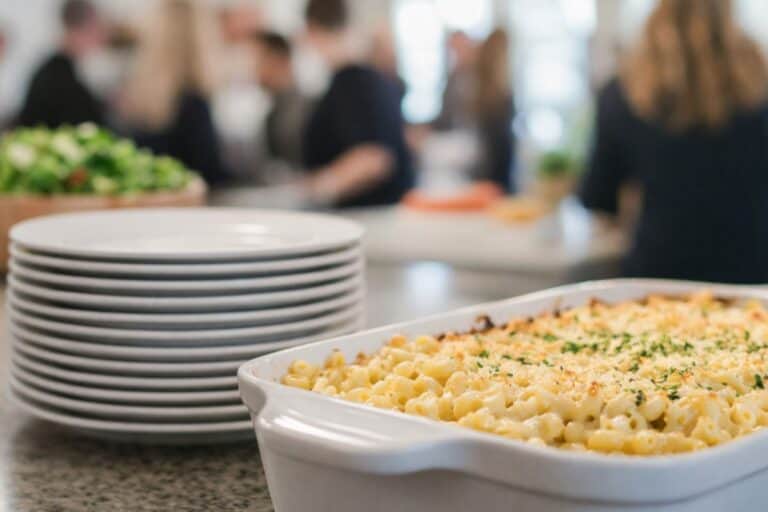
Back in the day, entertainment didn’t come with subscriptions and monthly fees.
It was front porch conversations, card games, shared meals, making do with what you had.
The focus was less on consuming and more on connecting.
Slowing down like that doesn’t just save money, it changes how full your life actually feels!
41. Entertain at Home Instead of Going Out
There was a time when gathering didn’t require reservations, tickets, or a pricey menu.
People invited each other over, set out simple spreads, and made do with what was already in the kitchen.
Cheap party foods like popcorn, sheet cake, sandwiches, deviled eggs, and big pitchers of lemonade were more than enough to fill a table and keep everyone happy.
Hosting at home keeps the focus on connection instead of cost, and it proves you don’t need a restaurant bill to have a good night.
42. Host Potluck Gatherings
Potlucks weren’t trendy, they were practical!
Everyone brought something they could afford or already had, and together it turned into a full meal without one person carrying the financial weight.
That rhythm still works beautifully now, especially when budgets are tight.
Sharing the effort makes gatherings feel lighter and keeps friendships strong without draining your wallet.
43. Enjoy Free Community Events
Before entertainment came with monthly subscriptions and service fees, people showed up to what their communities already offered.
Local fairs, church events, school plays, library programs, park concerts, these were normal ways to spend time together.
Free community events still exist, and they give you something to look forward to without adding another expense to your week.
Sometimes the best memories come from the simplest settings.
44. Walk Instead of Drive When Possible
Fuel wasn’t something families wasted casually, so walking short distances made sense both financially and practically.
Choosing to walk when you can saves gas, reduces wear on your vehicle, and gives you a little extra movement built into your day.
It may not feel dramatic in the moment, but those small decisions add up over
time.Slowing down enough to walk also changes the pace of your day in a way that feels steadier.
45. Read Books from the Library
Books have always been a source of comfort and escape, especially during hard seasons.
Instead of buying every new release, families relied on libraries to provide stories, information, and entertainment at no cost.
That habit still holds up!
Libraries now offer not just physical books but audiobooks, digital titles, and community programs, which means you can enjoy plenty without spending anything at all.
46. Keep Gifts Simple
There was a time when gifts were modest, practical, or handmade, and no one expected a mountain of packages.
Cheap birthday gifts like baked treats, handwritten notes, framed photos, or small homemade crafts carried just as much meaning because they were thoughtful, not expensive.
When you let go of the pressure to impress, it becomes easier to give within your means and still show you care.
Simple gifts also keep you from overspending during seasons when invitations seem to stack up all at once.
47. Practice “Make Do or Do Without”
This phrase sounds strict, but it really comes down to pausing before buying.
If something broke or wore out, families figured out how to manage without it for a while or find a workaround.
That habit builds resilience because it separates inconvenience from true need.
Giving yourself time to adjust often reveals that many purchases felt urgent in the moment but weren’t essential.
48. Focus on Needs Before Wants
When money was scarce, priorities were clear.
Housing, food, clothing, and utilities came first, and everything else waited.
Keeping that order in mind today helps you make decisions with less emotion and more stability.
It doesn’t mean you never enjoy extras, it just means you secure your foundation before adding to it.
49. Limit Impulse Purchases
Impulse spending rarely existed when every purchase required careful thought.
People considered cost, usefulness, and longevity before parting with cash.
Slowing down your buying decisions, even by a day or two, can dramatically cut unnecessary spending.
Most impulse purchases lose their urgency once you give them space.
50. Practice Gratitude for What You Have
During the Depression, gratitude was a survival mindset.
Appreciating what you already owned reduced the constant desire for more and made contentment possible in difficult seasons.
Practicing gratitude today shifts your focus away from comparison and toward sufficiency.
That shift alone can lower spending because it changes what feels necessary in the first place.
Depression-Era Habits That Still Work Today
We don’t have to live like it’s the 1920s to learn from it!
Depression-era habits weren’t about fear or deprivation.
They were about being steady, resourceful, and careful with what you had because you didn’t know what was coming next.
And honestly, that mindset still feels pretty relevant.
So if you’re trying to stretch your income, pay off debt while broke, or just create a little breathing room in your budget, this kind of steady thinking makes a bigger difference than chasing the next money hack.
Sometimes the old ways worked for a reason.